
Alcohol Flavors in Beer
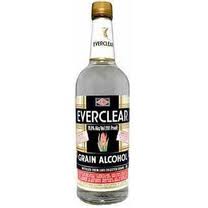
Off flavors such as alcohol flavors in beer are perceived as hot or spicy and are detected mostly by the nose. A warming tingly sensation usually goes along with the spiciness and is sometimes described as a “hot” or “warming” sensation, depending on the amount of alcohol present.
When ethanol combines with esters, fusel alcohols in beer are formed. These are the longer chain alcohols that get produced when fermenting at higher temperatures. Fusel alcohol is what causes the hot alcohol flavors in beer. These flavors can also be perceived as having a vinous-like spiciness.
It is difficult to find any descriptions of how ethanol, the prominent alcohol in beer, tastes. It is more of a sensation than a flavor, although some describe it as “pleasing”. Not a very good adjective but most of us understand what it means. The combination of the heat on the tongue and throat, the tingling sensation inside the mouth, the spicy aromas and that characteristic pleasing flavor is what we know as alcohol flavor in beer. It’s when the balance of alcohols starts to tip toward the fusels that it starts to be described in negative terms such as “hot”.
I’ve heard somewhere that you won’t start to perceive alcohol until the level is greater than 5% ABV. Whether this is true or not, it is probably pretty close. Alcohol is an integral flavor in beer, even though it is hard to describe, and is not considered to be an off flavor until it becomes too hot or spicy. Sometimes these hot notes will age out or at least mellow with age. If you find your beers are too hot with long chain alcohols, look at your fermentation temperature. Some yeasts will produce more fusel alcohols in beer than others, but all yeast will produce them when they are in the upper part of their temperature range. Make sure you pitch plenty of healthy yeast by using the pitching rate calculators on the yeast manufacturer’s websites or at mrmalty.com.
How to prevent harsh alcohol flavors in beer
To produce high alcohol beers without the harsh alcohol flavors is difficult to do. Here are some tips:
- Ferment beer at the lower end of the temperature range for the yeast selected.
- Switch yeast if lower temperatures still produce unacceptable levels of “hot” fusel alcohols.
- Examine your nutrient additions and oxygenation procedures to make sure the yeast are happy and healthy.
- Sometimes it is best to introduce some extra sugar later on in the fermentation. This is called Chaptalization. When adding Belgian Candi sugar to your stronger Belgian ales, some homebrewers recommend adding it a few days into the fermentation so the yeast are past the lag phase and hard at work. Too much sugar in the wort can stress the yeast and make it difficult for them to uptake the nutrients they need to multiply and form strong cell walls. It is always best to baby your high alcohol beers through the fermentation with plenty of attention to temperature, nutrients, and oxygen.
References: Information for this article was adapted from the article Flavors in Beer at http://hbd.org/ford/judging/flavor.pdf and the article Flavors in Beer at http://www.alabev.com/taste.htm. To get other definitions and perspectives, visit the BJCP Beer Faults page.
Go Back To Evaluating Beer
Go Back to Off Flavors in Beer

If you find this site helpful, please link to us!